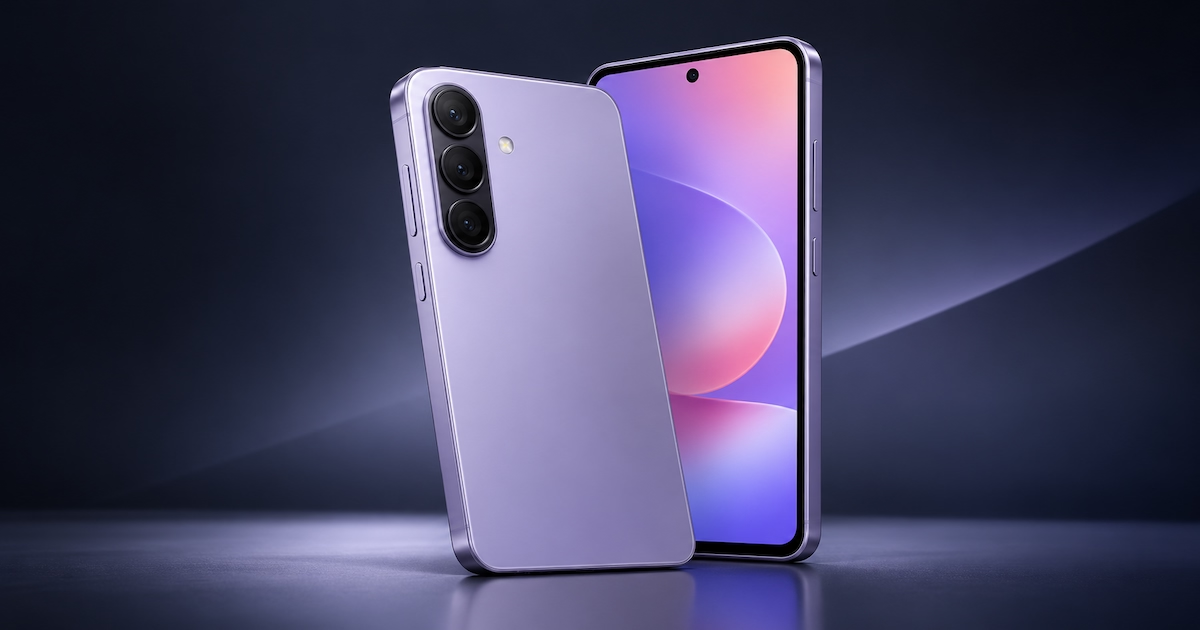
Samsung's upcoming Galaxy A38 could arrive with some unexpected hardware compromises, according to a recent supply-chain report. The changes reportedly affect both the camera and display, potentially making the next mid-range phone a downgrade in certain areas compared to its predecessor.
- Galaxy A38 may use a 50MP Sony IMX882 sensor, replacing the Galaxy A37's larger IMX906 sensor.
- The rumored camera sensor is smaller, potentially affecting low-light photography.
- The Galaxy A38 could feature a dimmer 6.27-inch Super AMOLED display with 120Hz refresh rate.
- A rumored 6,000mAh battery could offset some of the hardware compromises.
Galaxy A38 may get a smaller camera sensor
The Galaxy A38 is reportedly expected to use Sony's 50MP IMX882 main camera sensor, replacing the IMX906 sensor found in the Galaxy A37. Although both sensors share the same resolution, the IMX882 is physically smaller, measuring 1/1.95 inches compared to the IMX906's 1/1.56-inch sensor size.
The IMX882 was previously used in the Galaxy A36, which means Samsung could be reusing older camera hardware rather than introducing an upgrade. A smaller sensor could affect image quality, particularly in low-light photography.
Display could also take a step back
The camera may not be the only area facing a downgrade. Reports suggest the Galaxy A38 could use a display similar to the one expected on the cheaper Galaxy A27.
The rumored panel features a 6.27-inch Super AMOLED display with FHD+ resolution and a 120Hz refresh rate. However, it could offer lower brightness than the display on the Galaxy A37.
Samsung Galaxy A38 Specifications
| Design & Build | 7.4 mm thickness, Gorilla Glass Victus+ front and back, plastic frame, IP68 |
| Display | 6.7 inches, Super AMOLED, 1080 x 2340 pixels, 120Hz, Corning Gorilla Glass Victus+ |
| Processor | Samsung, Exynos 1480, Xclipse 530 |
| Memory | 6GB, 128GB, No |
| Software | Android 17, One UI 9 |
| Rear Camera | 50MP main (f/1.8, OIS) + 8MP ultra-wide (f/2.2) + 5MP macro (f/2.4) |
| Front Camera | 12MP (f/2.2) |
| Security | Under-display optical |
| Connectivity | Dual SIM (Nano + eSIM), GSM / HSPA / LTE / 5G, Wi-Fi 6, Bluetooth 5.4, Yes (market/region dependent), USB Type-C 2.0, OTG |
| Battery | 6000mAh, 45W wired |
| Additional Features | 4K@30fps, 1080p@30/60fps, Up to 6 major OS updates, Virtual Proximity Sensing, No 3.5mm jack, no FM radio, GPS/Galileo/GLONASS/BDS/QZSS, Not Lunched Yet |
A bigger battery could make up for it
Despite the rumored compromises, the Galaxy A38 could reportedly feature a larger 6,000mAh battery, which would be a notable improvement if the information proves accurate.
These potential changes may reflect Samsung's efforts to manage rising component costs while keeping its mid-range lineup affordable. However, whether the compromises make sense will ultimately depend on the Galaxy A38's launch price and final specifications.
Frequently Asked Questions
1. Will the Samsung Galaxy A38 have a camera downgrade?
According to reports, the Galaxy A38 could use a 50MP Sony IMX882 sensor instead of the larger IMX906 sensor found in the Galaxy A37.
2. What camera sensor is expected on the Galaxy A38?
The Galaxy A38 is rumored to feature Sony's 50MP IMX882 main camera sensor, measuring 1/1.95 inches.
3. Will the Galaxy A38 have a worse display than the Galaxy A37?
Reports suggest the Galaxy A38 could use a display similar to the Galaxy A27, potentially offering lower brightness than the Galaxy A37.
4. What is the expected battery capacity of the Galaxy A38?
The Samsung Galaxy A38 is rumored to feature a 6,000mAh battery, which would be a significant improvement if confirmed.
5. When will the Samsung Galaxy A38 launch?
Samsung has not officially confirmed the Galaxy A38's launch date or specifications. Its camera, display, and battery details remain based on reports and leaks.
Comments
0No approved comments yet.

Sudip Acharya
SEO SpecialistSudip Acharya is an SEO Specialist, Web Developer, and Content Strategist with expertise in technical SEO, on-page optimization, schema markup, and modern web technologies. He specializes in building high-performance websites using WordPress, Next.js, and Payload CMS while developing content strategies that improve search visibility and user experience. His work focuses on creating scalable digital solutions, optimizing website performance, and helping businesses grow through data-driven SEO and content marketing.
View all articles